


Luxiem Ukiyoe Special Story
What is Ukiyoe?
Today, you can easily get information simply by connecting to the Internet. However, how did people in the past get information about the latest trends?
Yes, during Japan’s Edo period (1603–1868), Ukiyoe was regarded as “media” created for the masses.
Across 200 years, as woodblock print techniques advanced, from the small everyday lives of ordinary people that would not appear in major historical events to vivid far-away landscapes and performing arts like Kabuki…what was shown there was truly the “living voices” of each individual of that era.
And even today, Ukiyoe draws the latest trends-new performing world of VTubers.
Traditional Techniques
The techniques of Ukiyoe initially began from drawing with a brush, but later, to mass-produce a single image, woodblock prints came to be used. Just as printing once changed the world, because woodblock prints made mass production possible, Ukiyoe developed as popular culture for ordinary people.
But “mass production” was not something that could be done easily.
Paper made specifically for printing had to be prepared, multiple woodblocks were used, and careful planning and experience were required to decide the exact order in which to print and layer the colors into a single finished image.
So that the skills, sharpened through extraordinary trial and error, were polished until they shone with a beautiful sparkle, like a Japanese sword.


Technique and Culture, further into the future
The “publisher,” who functions like a modern producer, oversees the planning and direction; the “artist” creates the design, the “carver” (woodblock engraver) executes the woodblocks, and the “printer” prints the work. While this division of labor is common today, their exceptional skill and organizational teamwork were truly unparalleled.
This “Luxiem Ukiyoe” is made on the highest-grade Echizen Kisuki Hōsho paper, a traditional Japanese washi handmade by the Living National Treasure (an Important Intangible Cultural Property of Japan), and is said to have been loved by Van Gogh and Picasso. Additionally, it is entirely carved and printed by hand using traditional Edo-period techniques by artisans recognized for their exceptional skills in “Important Selected Preservation Techniques for Folk Cultural Properties.”
Can you imagine how special that is?
It means that, on one page of the long history of Japanese Ukiyoe, the name Luxiem has been clearly engraved.
As a message from us living today, to the distant future.
Gallery


Product
-

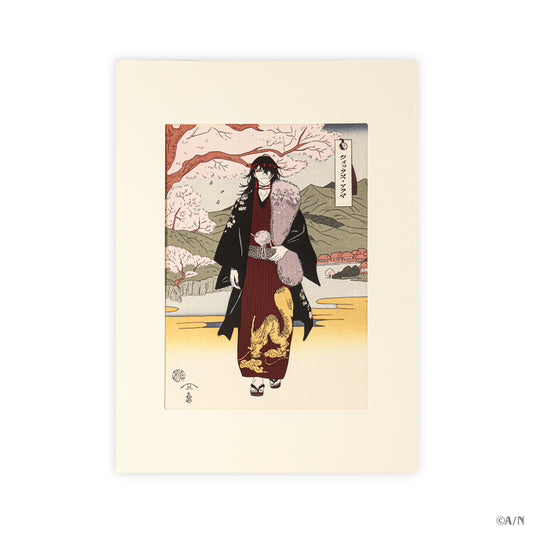
"Luxiem Ukiyoe" Ukiyoe
2025.10.23 - (JST)
"Luxiem Ukiyoe" Ukiyoe
Regular price ¥68,000Regular priceUnit price per -

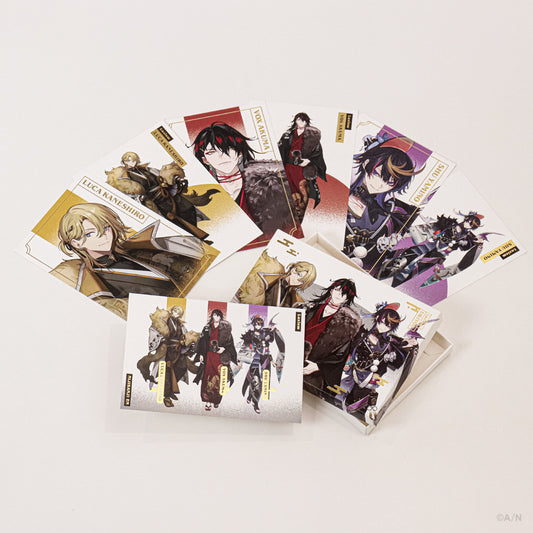
"Luxiem Ukiyoe" Post Card Set
2025.10.23 - (JST)
"Luxiem Ukiyoe" Post Card Set
Regular price ¥2,500Regular priceUnit price per -

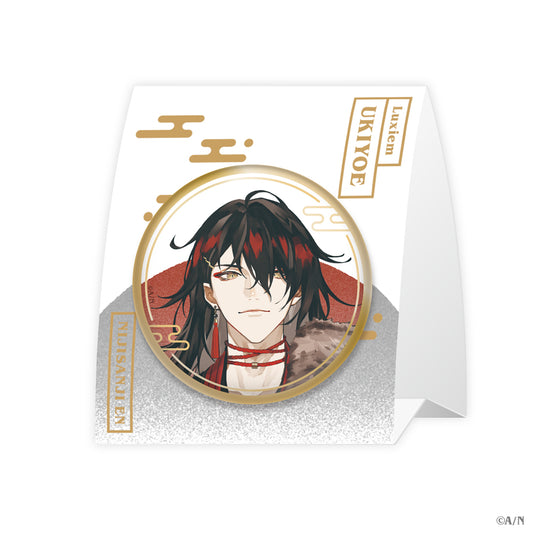
"Luxiem Ukiyoe" Foil Pressed Badge
2025.10.23 - (JST)
"Luxiem Ukiyoe" Foil Pressed Badge
Few RemainingRegular price ¥700Regular priceUnit price per -

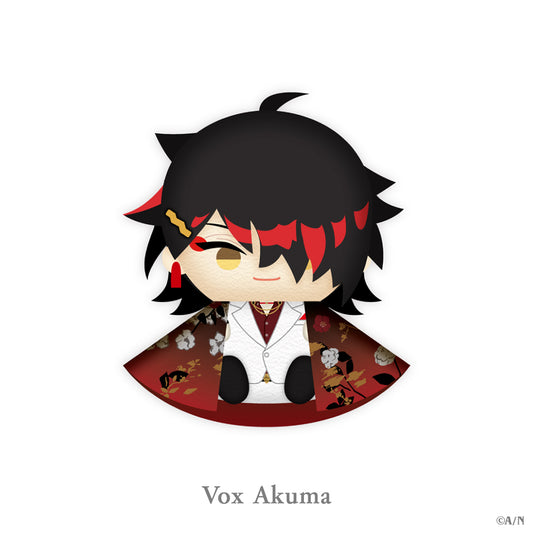
"Luxiem Ukiyoe" Japanese crepe fabric NIJIPUPE
2025.10.23 - (JST)
"Luxiem Ukiyoe" Japanese crepe fabric NIJIPUPE
Regular price ¥2,000Regular priceUnit price per


